GV Laser for Facial Redness and Visible Capillaries in Cheongdam, Seoul
The GV laser is a vascular laser whose wavelength reacts with hemoglobin in blood vessels, so it can treat visible capillaries and persistent redness while sparing the surrounding tissue. At LUNN Dermatology Clinic in Cheongdam, Seoul, Dr. Park Hyungkwon first identifies the type of redness, then treats gradually over several sessions, usually about a month apart, so the skin barrier is protected. Managing triggers such as heat, stress and alcohol is part of the plan, and temporary purple marks can last 3 to 5 days.
- Treatment
- GV laser for redness and vessels
- Device / product
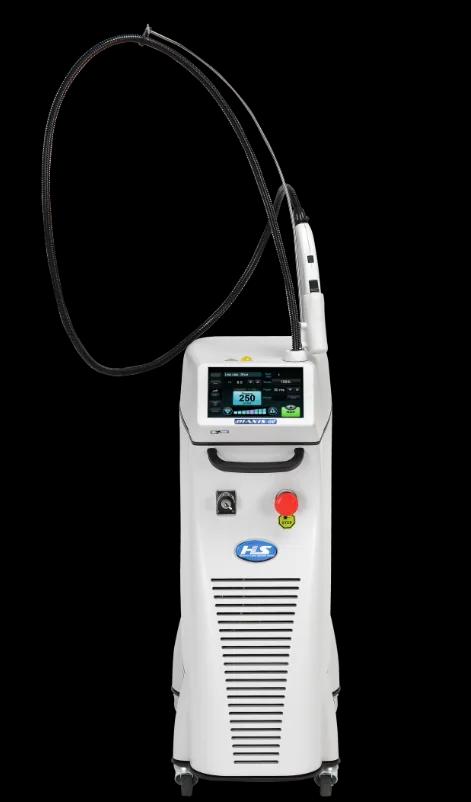
- GV laser (vascular, dual wavelength 532/1064 nm)
- Area
- Face: cheeks, nose, chin and areas with visible capillaries
- Performed by
- Dr. Park Hyungkwon, board-certified dermatologist
- Where
- LUNN Dermatology Clinic, 5F, 822 Seolleung-ro, Cheongdam, Seoul
What kind of redness is the GV laser used for?
Redness that looks similar from across a room can come from quite different sources. At our Cheongdam clinic the doctor separates three main types: simple redness, where the face stays flushed; rosacea; and telangiectasia, where fine capillaries become visible on the surface. Alongside these, a barrier weakened by irritation or frequent procedures can keep the face looking red and reactive.
The GV laser is recommended for people with persistent redness, those with visible capillaries, and those whose redness makes makeup difficult. The approach differs by type, so the first appointment always starts with diagnosis.
How does the GV laser target visible capillaries?
Its wavelength is absorbed by hemoglobin, the pigment in red blood cells. The energy concentrates in the targeted vessel, which is treated and gradually cleared, while the surrounding skin is largely spared. The device has two wavelengths (532 and 1064 nm) and several modes, so the doctor can adjust it to the size and depth of the vessels.
This is also why a pigment laser is not used for redness. Aimed at vessels, a pigment wavelength can irritate them instead of calming them. When redness sits alongside melasma or uneven tone, the GV laser can be planned together with pico toning.
Why is the skin barrier part of redness treatment?
A damaged barrier lets moisture escape and irritants in, which keeps the face red. If the barrier is weak, lasers feel harsher and the skin reacts more. That is why LUNN treats redness gradually rather than aggressively in one session.
When skin has turned sensitive and rough after frequent treatments, the doctor may suggest settling it first. Soothing care or a repair booster such as Rejuran can come before or between laser sessions. Intense, stimulating care can feel effective at the time but leave skin more sensitive over the following weeks.
What triggers can undo redness treatment?
Triggers do not cause every case of redness, but they make it flare and return faster. Managing them alongside the laser reduces recurrence:
- Heat: saunas, hot baths, steam rooms and hot spring visits
- Alcohol and smoking, which can dilate vessels
- Stress and short sleep
- Over-treatment: stacking many procedures in a short trip
- Harsh cleansers, scrubs and strong active products on reactive skin
Who may not suit GV laser treatment, or should wait?
It may be wiser to wait if your skin is currently irritated, peeling, inflamed or sunburned, or if you have just had another strong treatment. If your trip includes beach days, hot springs or long sun exposure straight after, tell the doctor, because heat and UV work against the result.
Rosacea is assessed individually rather than treated with one fixed setting, and some cases need medical treatment alongside or before laser. Please share medications, allergies and past treatments at consultation. If redness is actually inflamed acne, calming the breakouts first with Gold PTT often makes more sense.
What happens at a GV laser appointment in Cheongdam?
Dr. Park Hyungkwon sees you from consultation to aftercare in a private room. He checks the type of redness and how the vessels are distributed, then decides the energy level and number of sessions. Consultations are in English, and the clinic also supports Japanese and Chinese.
During treatment the laser is applied precisely to the redness and visible vessels. Many people feel short, warm pulses; discomfort varies, and cooling is used throughout. Afterwards you receive guidance on soothing the skin and avoiding irritation, and a cool compress may help if warmth lingers.
How many sessions does facial redness need?
Redness rarely clears in one visit. The gradual approach is typically 3 to 5 sessions, and some cases are planned as 5 to 10 sessions at one-month intervals. The doctor tells you where your skin falls in that range after diagnosis.
Fine visible capillaries can respond within a few sessions, while diffuse flushing and rosacea-type redness usually take longer and benefit from maintenance. Results vary by person, and keeping triggers under control at home is part of holding them. Each visit begins with a fresh look at how the vessels responded, so the energy and the number of remaining sessions can be adjusted rather than repeated from a fixed chart.
What are the possible side effects of GV laser treatment?
Every laser carries some risk, and responses differ between people. The clinic's notice and aftercare guide list:
- Temporary purple discoloration (purpura) at the treated site, lasting about 3 to 5 days
- Temporary redness, warmth or swelling after the session
- Mild irritation or breakouts depending on skin condition; the doctor may prescribe an ointment if they persist
- If any abnormal reaction appears or persists, contact the clinic or come in right away
How should travelers plan around purpura, heat and flights?
Book the GV laser early in your stay so any purple marks have 3 to 5 days to fade before important plans or your flight. Makeup is allowed on the day if needed. Plan any hot spring, bathhouse or sauna visit before the laser, not after, and avoid alcohol for two weeks and saunas, swimming and strenuous exercise for at least one.
Because sessions are spaced about a month apart, many international patients combine a session per trip with good home care in between. Moisturize with a barrier-repair cream, use sunscreen outdoors and message us with photos if anything worries you once home. Contact the clinic with the buttons on this page, see the location page, or read the official tone and redness page.
Frequently asked questions
Can the GV laser treat rosacea?
Rosacea is assessed at consultation rather than treated with one fixed setting. The GV laser targets hemoglobin in vessels and can be part of a gradual plan, alongside trigger management and, where needed, medical treatment. The doctor explains what fits your type of redness.
How long does the purple bruising last?
Temporary purple discoloration, called purpura, may last about 3 to 5 days at the treated site. If your stay in Seoul is short, schedule the session early so it can fade before your flight or important plans.
Will the redness come back?
It can, especially if triggers continue. Managing heat, alcohol and stress, protecting the barrier with moisturizer and sunscreen, and occasional maintenance sessions help keep results. Results vary by person.
Can I use a sauna or hot spring after treatment?
Please avoid saunas, steam rooms, hot springs, swimming and strenuous exercise for at least one week, and alcohol and smoking for at least two. Heat and alcohol dilate vessels, which works against the treatment.
Is the GV laser suitable for sensitive skin?
It can be, with care. LUNN treats redness gradually so the barrier is not damaged, and may start with soothing or repair care if the skin is very reactive. Tell the doctor about sensitivity, allergies and recent treatments so the intensity can be adjusted.
Ask LUNN about your skin before you travel
Send your concern, recent treatments and travel dates. The clinic replies in English. +82-2-512-7788 · Mon–Fri 10:30–20:00, Sat 10:00–16:00 (KST).
Related pages
Main website of the clinic: lunnclinic.com